
American Stories. American Jobs.
Rock Paper Cannon was built on a simple belief: American stories should be made in America.
We are building an independent television studio in Middle America devoted to creating the kind of television that has connected generations of Americans. Furthermore, we believe the people who build those shows—the electricians, carpenters, drivers, caterers, craftspeople, accountants and thousands of small businesses that support them—should have the opportunity to build their careers here too.
That is why Rock Paper Cannon has been lending our voice, experience and expertise to the national effort for a federal production incentive.
This is about American jobs.
Larger productions haven’t stopped being made. They’re simply being made somewhere else. When those productions leave, American jobs go with them—taking work away from the skilled crews, technicians, artisans and craftspeople.
States like Oklahoma have built incentive programs capable of supporting productions at many different budget levels. However, individual states cannot solve the international cost disadvantage facing larger, highly mobile productions on their own.
That’s where a federal layer matters.
A federal incentive designed around U.S. labor would complement—not replace—state programs competing for the broader production spend. This helps America compete for the larger productions capable of employing American crews at scale.
The opportunity is significant.
A new economic study commissioned by the Motion Picture Association and conducted by Olsberg•SPI estimates that a federal production incentive could generate approximately $249 billion in additional gross value added to the U.S. economy. This would create and support an average of 143,500 additional full-time-equivalent jobs annually between 2027 and 2035 under its modeled scenario.
That matters far beyond Hollywood.
States across America have invested in production incentives, infrastructure, workforce and businesses built to serve this industry. However, those investments only reach their full potential if America itself can compete for production on the global stage.
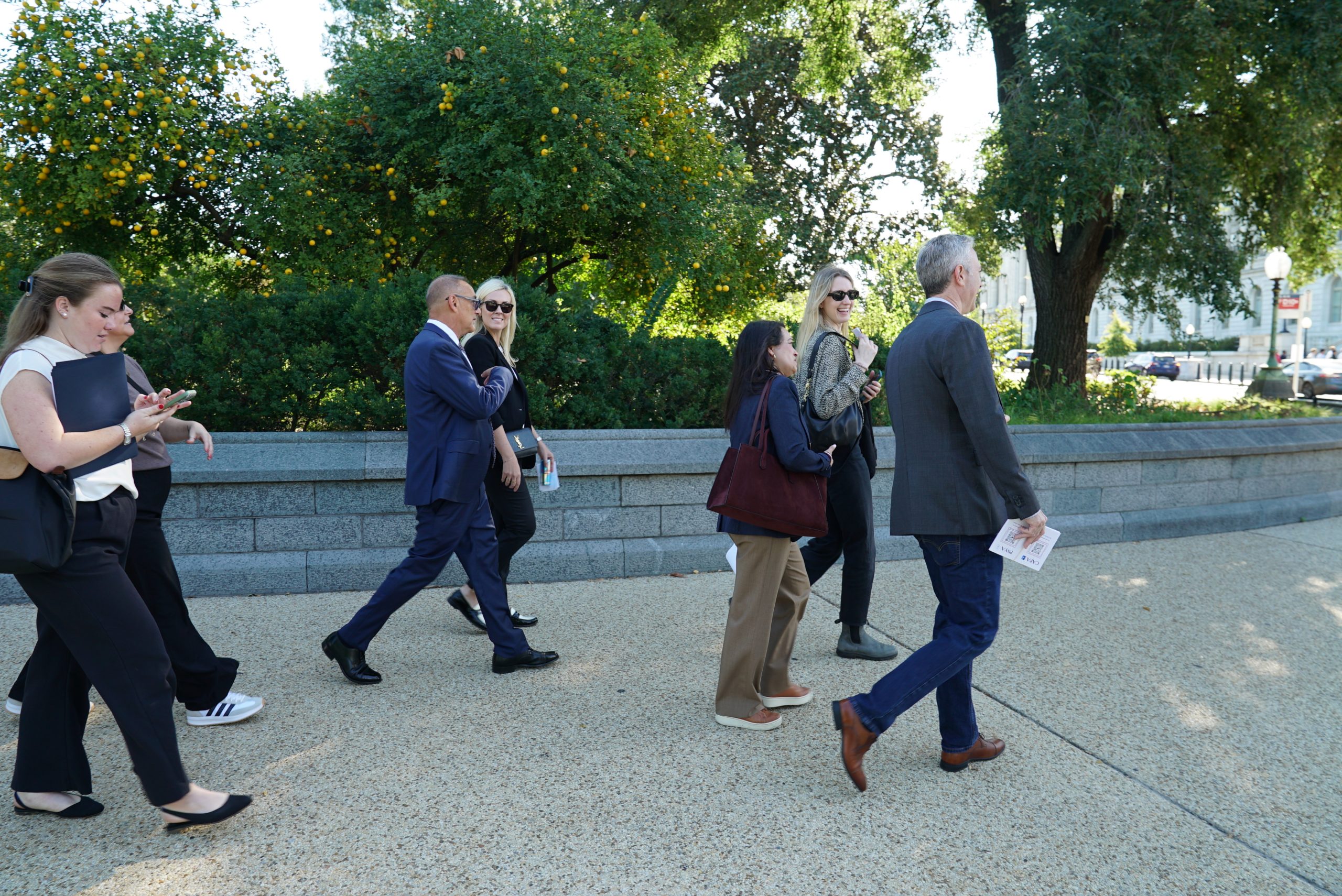
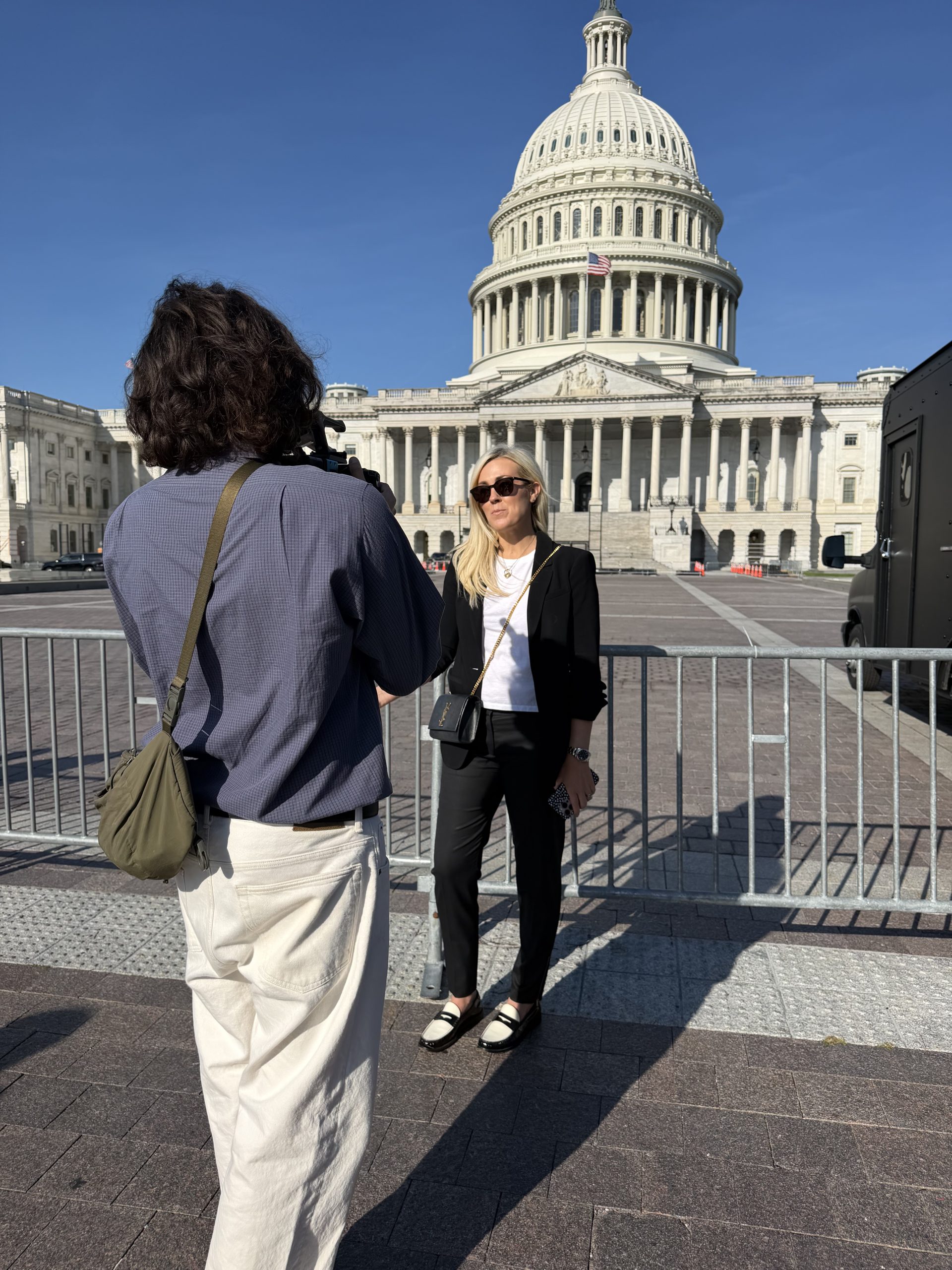
Most recently, our Founder, Rachel Cannon, traveled to Washington, D.C., as part of a national advocacy group consisting of the Coalition of American Production (CAP), Motion Picture Association (MPA), Sag-Aftra, DGA, WGA, PGA, IATSE, Teamsters, the Television Academy and Special Ambassador Jon Voight.
This coalition came to Capitol Hill for conversations about the future of American film and television production. Cannon brought the perspective of someone who has spent years building production infrastructure, growing an industry and creating jobs in the middle of the country. Cannon has seen firsthand what happens when productions come to a new market, the jobs and businesses they support, and what is at stake when that work leaves.
The Hollywood Reporter captured the growing momentum—and why protecting production across America matters to studios like Rock Paper Cannon in Middle America. See full article HERE.
We believe in the win-win.
Rachel has spent more than 25 years working in this industry both in front of and behind the camera. She has built two production studios from the ground up in Oklahoma. For six legislative sessions, Cannon has worked diligently to advance state production policy, while also spending the last two years advancing that work at the federal level.
The philosophy behind Cannon’s advocacy work is the same philosophy behind Rock Paper Cannon: How do we build something that creates economic opportunity while being thoughtful stewards of the resources required to create it?
We believes a competitive American production industry can do exactly that.
Rock Paper Cannon is investing in American intellectual property. We are building an American television studio, telling American stories rooted in the middle of the country.
Protecting the American production ecosystem isn’t adjacent to our mission.
It is our mission.
American stories. American jobs.
Somewhere along the way, the American Dream drifted offshore. Let’s bring it back home.